Meat Processing Plant: How Do We Find An Agreeable Path Forward?
In six months time, most likely, we will be here again. Here is my attempt to offer a deeper analysis into what assumptions and factors are at play when it comes to meat processing plants in Bhutan.
Following my earlier post on 03 December 2025 related to ‘meat processing plant’ during the National Assembly deliberations on the Livestock Bill of Bhutan 2025, here are elaborate analyses of mine situated in a longer-historical perspective informed by my understanding of humans dietary preferences and choices. In this piece, I will contextualise the commentaries and the use of evidence of ‘88.9 percent Bhutanese as meat eaters’, and Kuensel’s 06 December editorial, “We imported meat worth Nu.5.8 billion in just one year and it is increasing every year” within the context of shifting socio-cultural and scientific trajectories. The objective of the piece is not to refute or challenge the provision of the Bill, now passed by the National Assembly, but to go a step back to read those absolute figures presented before us, and possible implications it has on broader society. If you have questions around my view of the state, I sit ‘left of centre’ of the political spectrum.
Humans have been eating meat all along. So do Bhutanese. Indeed, the use of the term ‘hunters-gatherers’ points to our dietary habits and choices. Food and Agriculture Organisation’s projection of increased meat consumption explains Kuensel’s editorial observation of consumption ‘increasing every year’.
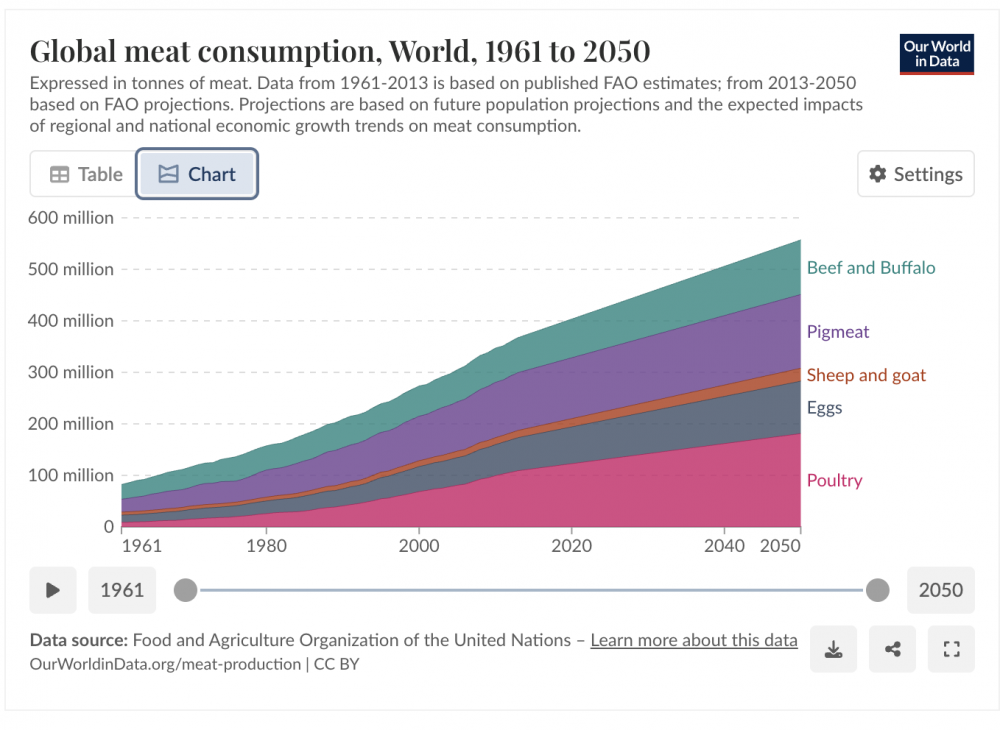
Global Meat Consumption Projection
It is with the acknowledgement of the global trends that I try to understand the puzzle of changing dietary preferences among Bhutanese for various reasons at their individual capacity, at least Bhutan I have been part of on the one hand and the increasing aggregate annual consumption on the other.
Homo sapiens were foragers first. Gradually, we began to farm. Around 14,5000 years ago, the first indications of cultural change associated with agriculture occurred – ‘the exploitation of wild grains’. Archeological findings at the Fertile Crescent and Natufian culture reveal that wheat was among the first crops to be domesticated around 10,000 to 12,000 years ago. Perhaps until we domesticated crops, preceding agricultural revolution and sedentary life, meat must have been the mainstay of human’s food/diet. Thereafter, our choices expanded by manifold with focus on plant-based diet. For want of space, I will collapse a long-evolutionary history by situating the evolutionary nature of dietary patterns and choices in the locality of Mongar, to an extent, Bhutan, in the late 20th and early 21st centuries. This should help examine my propositions and assumptions, and go deeper into granular analysis of those absolute numbers cited to move the government’s policy priorities and agenda.
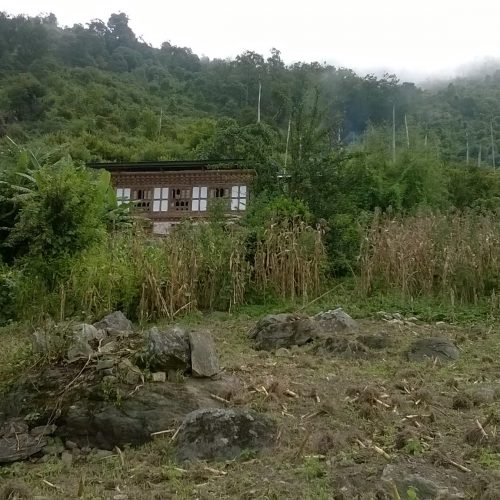
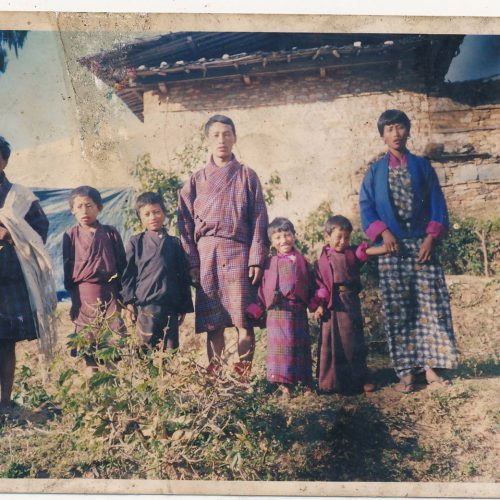
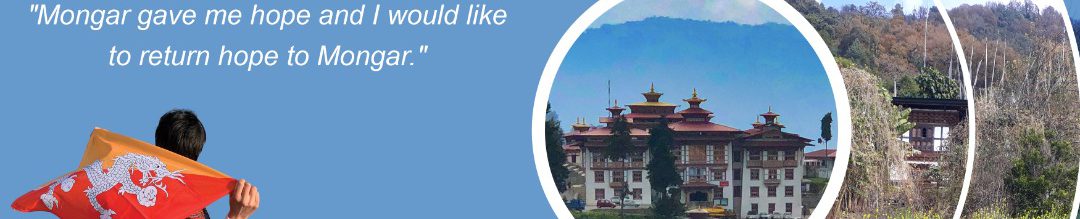
As a young boy growing up in a village in Mongar, people in the village used to raise pigs solely for meat, primarily to generate household income. My parents did. Villagers raised/domesticated other animals such as cattle and chicken. However, there were instances in which oxen (not Jatsha) and roosters were released on Tshethar. If you had seen roosters at Dechenphug, some of them must have been on Tshethar. Some roosters would be given to neighbours who did not have one for crowing. This suggests that cattle and chicken were raised primarily for dairy products and eggs, respectively, not for meat per se. People did take the meat of dead animals though. It is instructive to mention that incidences of hunting deers, stags, and boars were primarily for meat. Did prohibition of hunting translated into increased import? Of the village life I know, hunting was not that rampant, at least when I was growing up.
With increasing access to and availability of vegetable seeds, some bought from neighbours, and most distributed by the government, most of the villagers could grow vegetables both for consumption as well as sale. My parents stopped raising pigs, immediately after we had access to an increased variety of vegetables and grains. Can it be an isolated case?
Concurrently, access to, and improvement in public transport including road connectivity and air transport have brought Bhutanese closer to spiritual practices. People are able to attend teachings from spiritual masters, travelling a long distance. At the same time, Bhutanese go to pilgrimage in India, Nepal and Tibetan Autonomous Region. Telecommunications, access to the internet and social media, and broadcast media have brought the teachings of spiritual masters closer to people. The influence of religion or spiritual pursuit on life habits, particularly dietary choices cannot be stressed more than Asiatic religion of Buddhism and Hinduism.
Did I bring an inconvenient convergence of religion and politics together? Religion, faith, and spiritual heritage, whatever name one may call it, influence people’s choice and preferences. If politics is about public affairs and everyday concerns, then where do we draw a line between faith/religion and politics? To put into perspective, Honourable Members of Parliament, before the commencement, and after the conclusion of the parliamentary session visit Dechenphug and Trashi Chho Dzong. When and where do we dissociate and associate between religion and politics?
If the argument of religion against the meat processing plant does not bode well with progressive ideas, with climate science, globally, there is a growing awareness on eco-labels. These days, we come across vegan young Bhutanese. In a country where chili-cheese (ema datshi) is accorded de facto national cuisine, these dietary choices are significant shifts among the populace.
I believe that reservations against, and opponents of the meat processing plant are informed by these developments and reasons.
What puzzles me in the current representation or presentation of facts is that there is a disconnect, a gap, between increasing meat consumption (88 percent of Bhutanese consuming meat) on the one hand and changing dietary choices at household and individual levels (apparent reduction in meat consumption) on the other. That leaves me with two possible explanatory factors in the significant consumption and increasing import – serving meat during state functions, and consumption of meat items among restaurant goers (including tourists and international visitors).
Within such a context, determining/ identifying the spaces and avenues where meat is consumed would do us a significant help in clarifying policy objectives and intentions. The ongoing nature and approach of debate would lock us in the two-way allegations of being hypocrites. The proponents of meat processing plants base the argument on volume/amount of meat consumed as our import figures confirm. We want to eat meat but do not want to have meat processing plants in the country. They are one group of hypocrites. Opponents find irreconcilability between Bhutan’s standing as a steward in environmental conservation and climate change mitigation efforts in the international plane on the one hand and increased meat consumption (including meat processing plant) at home on the other, specifically when meat production and consumption is one of the causes of climate change. Here we have another group following double standards?
Where do we go from here? As the National Council wait for their turn to deliberate the Livestock Bill of Bhutan 2025 in its next session, and following some ongoing discussions and comments, I tried to take a step back and see the matter from a much-longer evolutionary history with a hope that we might find more agreeable units of analyses. Otherwise, from the past records, every time we deliberate on such matters, the debates tend to get so intense, divisive, and polarised – differences are inevitable; intensity of divisiveness the topic tends to get needs serious introspection, particularly when matters discussed involve arguments around faith. I hope I did not open another pandora’s box in my trying to understand the depth of the matter.